

You may safely take as much as 4,000 IU of vitamin D3 every day as an grownup, but most individuals only need 600–800 IU based mostly on age and health. Kids aged 1–7 need about 600 IU, while adults over 70 should aim for 800 IU to stay robust and cut back fall threat. If you're pregnant or breastfeeding, follow 600 IU until your physician says otherwise. Taking greater than the upper limit will increase dangers like nausea, kidney points, or bone pain—especially without medical steering. You don’t want additional beyond suggestions. Keep going to learn the way sunlight, diet, and testing will help fine-tune your intake safely.
Recommended Daily Intake Levels by Age Group
Here’s what that you must know: the beneficial day by day intake of vitamin D3 varies relying in your age. If you’re a child between 1 and 7 years outdated, goal for 600 IU per day—stick with that range to support healthy bone development and immune perform.
Adults underneath 70? You’ll need 600 IU each day; if you're over 70, bump it up to 800 IU to take care of strong bones and scale back fall risks. Pregnant or breastfeeding people should also keep at 600 IU except your physician advises in any other case.
Don’t guess—check labels and supplement information to make sure you’re hitting the mark.
Getting sufficient vitamin D3 isn’t nearly supplements; sunlight, fatty fish, fortified foods, and egg yolks assist too. But for most individuals, especially those with restricted sun exposure or darker pores and skin tones, a daily supplement ensures constant ranges.
You don’t want more than recommended—just what your body wants at each life stage. Stay exact, stay healthy. https://thehealthy.top
Understanding the Upper Limit for Vitamin D3 Supplementation
While the really helpful daily intake of vitamin D3 retains you on monitor for optimum well being, understanding the higher restrict is just as important—especially if you’re taking supplements recurrently.
The tolerable higher intake level (UL) for adults, including those over 70, is set at 4,000 IU per day. That’s essentially the most it's best to devour each day from all sources, including food and supplements, to stay protected.
Staying under this restrict helps forestall potential points down the line.
If you’re utilizing high-dose D3 supplements or have a medical condition affecting absorption, your doctor may advocate adjustments. But until directed otherwise, stick near the UL—don’t exceed it with out skilled guidance.
It’s not about pushing your intake increased; it’s about staying inside protected boundaries for long-time period effectively-being.
Monitoring your whole each day intake helps you keep protected whereas still benefiting from vitamin D3’s key roles in bone energy, immune perform, and temper assist.
Always verify labels and monitor what you’re consuming to avoid accidental overuse.
Signs and Risks of Excessive Vitamin D3 Consumption
Even when you’re cautious with your vitamin D3 intake, going above the higher limit can put you at risk for harmful results. You may start noticing signs like nausea, vomiting, or constant fatigue—signs your body is struggling to process a lot.
If you are consuming excessive amounts over time, your blood calcium levels could rise dangerously excessive, resulting in kidney harm, bone ache, and even coronary heart rhythm issues. You might also expertise lack of appetite, frequent urination, or confusion. These aren’t minor facet effects—they’re pink flags that your system is overwhelmed.
The danger will increase when you are taking mega-doses without medical steerage. While vitamin D3 helps immunity and bone health, more isn’t at all times better. Your physique can solely use a lot; the remainder accumulates in tissues.
So if you take supplements day by day, stay within really useful limits. Don’t assume high doses boost benefits—they may do extra harm than good.
Hearken to your body’s indicators, get regular blood assessments if you supplement lengthy-term, and seek the advice of a healthcare supplier before adjusting your intake.
How Sunlight, Diet, and Lifestyle Affect Your Needs
If you are trying to meet your vitamin D3 wants, sunlight is usually essentially the most natural and efficient source—just 10 to 30 minutes of midday sun exposure a couple of times a week can kickstart your body’s personal manufacturing. Your pores and skin synthesizes vitamin D3 when uncovered to UVB rays, however factors like latitude, season, cloud cowl, and sunscreen use can cut back this process.
Should you spend most days indoors or put on clothing that covers your arms and legs, sunlight alone mightn't lower it. That’s the place weight-reduction plan comes in—fatty fish, egg yolks, and fortified foods provide modest quantities of vitamin D3, however they’re hardly ever enough on their own.
Your life-style issues too: older adults, people with darker pores and skin, and those with sure well being circumstances absorb or produce much less vitamin D3 naturally. If you're not getting common solar exposure and your weight loss program is low in wealthy sources, supplementation may be crucial to stay within healthy ranges—without overshooting protected limits.
Testing Your Vitamin D3 Levels: When to Get Checked
You is perhaps wondering how much vitamin D3 you actually need—especially if sunlight and eating regimen aren’t reducing it. The reality is, your body’s needs fluctuate based mostly on age, skin tone, location, and well being status.
That’s why testing your vitamin D3 levels is smart. Get tested if you’ve been feeling fatigued, experiencing frequent infections, or noticing bone or muscle pain—common signs of deficiency. Also consider a test if you’re over 50, have darker pores and skin, live in northern latitudes, or spend most days indoors.
Ideally, get your levels checked once a yr, particularly before starting supplementation. A simple blood take a look at (25-hydroxyvitamin D) tells you exactly the place you stand.
If your degree is beneath 30 ng/mL, you’re seemingly deficient and may need greater than the RDA. But don’t guess—test first. Knowing your baseline helps you avoid under- or over-supplementing.
Testing isn’t just helpful—it’s essential for making knowledgeable selections about your well being.
Safe Ways to regulate Your Supplement Routine
Once you know your current vitamin D3 ranges, adjusting your supplement routine turns into much more targeted and effective. Start by reviewing your lab results with a healthcare provider—don’t guess your needs.
In case your ranges are low, they’ll recommend a daily dose tailored to get you again into the optimal range, often between 600–4,000 IU depending on your start line.
Don’t soar straight to high doses with out steering; gradual increases reduce risk and enhance accuracy.
Follow one reputable brand—look for third-celebration tested supplements to ensure purity and potency.
Take D3 with a meal containing fats to boost absorption.
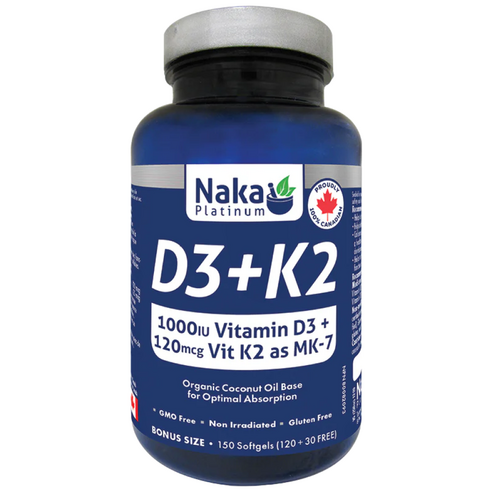
Monitor your levels again in 3–6 months, particularly if you’ve made modifications.
If you’re already at optimum ranges, consider lowering or pausing supplementation quickly under medical advice.
Always talk any signs like nausea, fatigue, or irregular heartbeat—these may signal toxicity.
Stay consistent, stay informed, and keep your supplier within the loop to maintain stability safely.